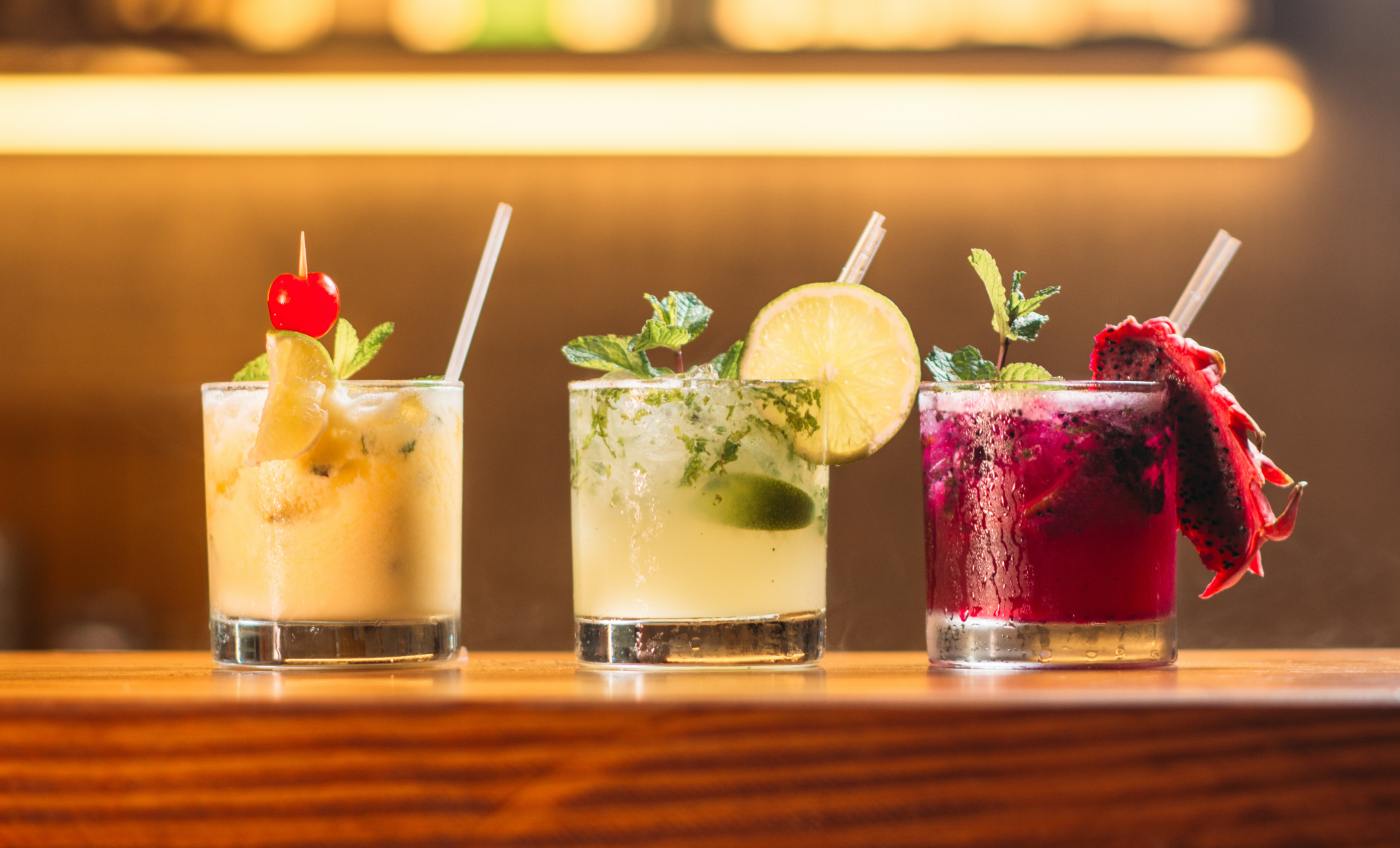
In my last post I decided to detox during lockdown, I know what was I thinking?! I haven’t gone totally T-total but I have mainly stuck to it, with a couple of ‘cheat’/treat days thrown in. As I’ve cut down I’ve noticed a huge boost in my productivity and my overall mental wellbeing. When I have had a drink I have felt fine, the taste has been more enjoyable and a drink has become a treat instead of a way to ‘reduce’ stress or start the weekend.
I can feel the mental benefits however I haven’t noticed the physical changes as significantly. So what physical impacts does alcohol have on my body when I do drink and are they all negative?
What physical impacts does alcohol have on my body when I do drink?
Dehydration is one of the first things that pops into my head. A couple of drinks too many and the next day your mouth is dry, your skin’s fine lines are prominent and overall you feel like a cracker.
Alcohol causes dehydration because it is a diuretic, this causes your body to release more liquid through urination. Not only is it a diuretic but alcohol also inhibits how much vasopressin (antidiuretic) your body can make. A double whammy for dehydration!
So how much water should we drink to combat the diuretic effects of that wonderful glass of red?
It was hard to find a clear answer for this question however, I read on Webmd that ‘for every alcoholic drink you have, your body can expel up to four times as much liquid.’ From all my research the main lesson is to pace yourself, for every alcoholic drink break it up with a glass of water or a soft drink. It may not stop the effects of the alcohol but it will be adding some hydration into your body and slow down your consumption of your tipple of choice.
How fattening is alcohol?
The words empty calories and alcohol go hand in hand. Empty calories are calories that have no nutritional gain and unfortunately alcohol does not. The scary fact I kept seeing in my research was that alcohol contains 7 calories per gram, which is almost as much as a gram of fat (9). Oh and to make matters worse this does not include a mixer…
If you are trying to lose weight alcohol must be limited, not only is it nutritionally redundant, fattening and a diuretic it also needs to be removed by your body before it can start burning through other foods. Some cocktails can be over 500 calories, a medium glass of white 153 and a pint of lager around 224. Chuck on top that burger or two that you had on the way home when inhibitions were low and there is going to be excess and it will be stored as fat.

Another scary calorie related fact I read on the NHS website: Drinking 4 bottles of wine a month adds up to a yearly consumption of around 27,000kcal, which is equivalent to eating 48 Big Macs per year. Drinking 5 pints of lager each week adds up to 44,200kcal over a year, equivalent to eating 221 doughnuts.
Is alcohol affecting my training?
Alcohol has a number of ways it can hinder your fitness training and performance. I’ve already mentioned dehydration and its empty calories. Another one is Alcohol inhibits muscle protein synthesis, a process where your body repairs muscle damage from exercise. MPS is needed to repair and build muscles and when we drink alcohol studies have shown it can reduce MPS by up to a third.
It also affects your sleep patterns, another important cycle needed for repair. You may find you go to sleep quickly after a few drinks but do not wake up refreshed. This is because alcohol limits the amount of REM sleep you have in a night thus reducing the amount of restorative sleep you achieve. A tired mind and a tired body rarely equals a successful training session.
Are there any positive physical impacts of alcohol?
The positive effects of alcohol are few compared to the negatives and in each study it cautions that moderation is key.
There is a study that showed a correlation between alcohol intake and cardiovascular disease, this study created the J shaped curve. They found that those who drank light to moderately (2 units for women, 4 for men) were at the lowest risk of coronary heart disease compared to those who did not drink, those who drank above the moderate level were at the highest risk of heart disease. Now, those who did not drink were at a significantly lower risk of cardiovascular disease compared to those who drank above the guidelines.
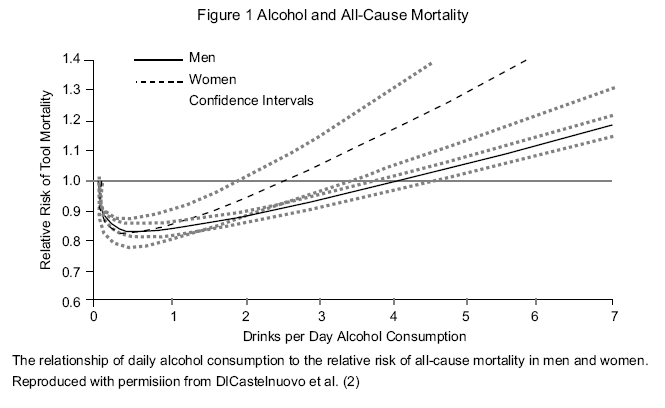
This same curve has now been applied to dementia and alcohol consumption. It is known that excessive alcohol consumption has a negative impact on cognitive function. However, I was surprised to find that the study concluded that ‘the risk of dementia was increased in people who abstained from alcohol in midlife or consumed >14 units/week.’ As with the link between cardiovascular disease and alcohol the benefits of alcohol only apply when alcohol is used in moderation.
I’m going to stop now as I could just keep going, there is so much to explore on this topic. With everything in life the key to alcohol is moderation, be sensible with portion sizes, try to have several consecutive days where you don’t drink and avoid bingeing. When you do have that drink you’ve been waiting for, enjoy it, don’t guzzle and polish off a glass in minutes, make it last and actually taste it.
I’m definitely going to try and keep doing long stints without alcohol, it’s had such a positive impact on my mental health which is pretty impressive considering the news! I am interested to see if the physical affects will begin to show in the long run. Well that’s all for now!
Stay safe, stay healthy and stay happy x

Please note this is my own research and thoughts, I am not medically trained just interested in the topic.
 Attempting To Wander
Leave a comment